Humantay Lake Hike 1 Day
What’s Humantay Lake? Heard about that crazy blue lake near Cusco (which is already high up at 11,152 feet / 3,399
Read more
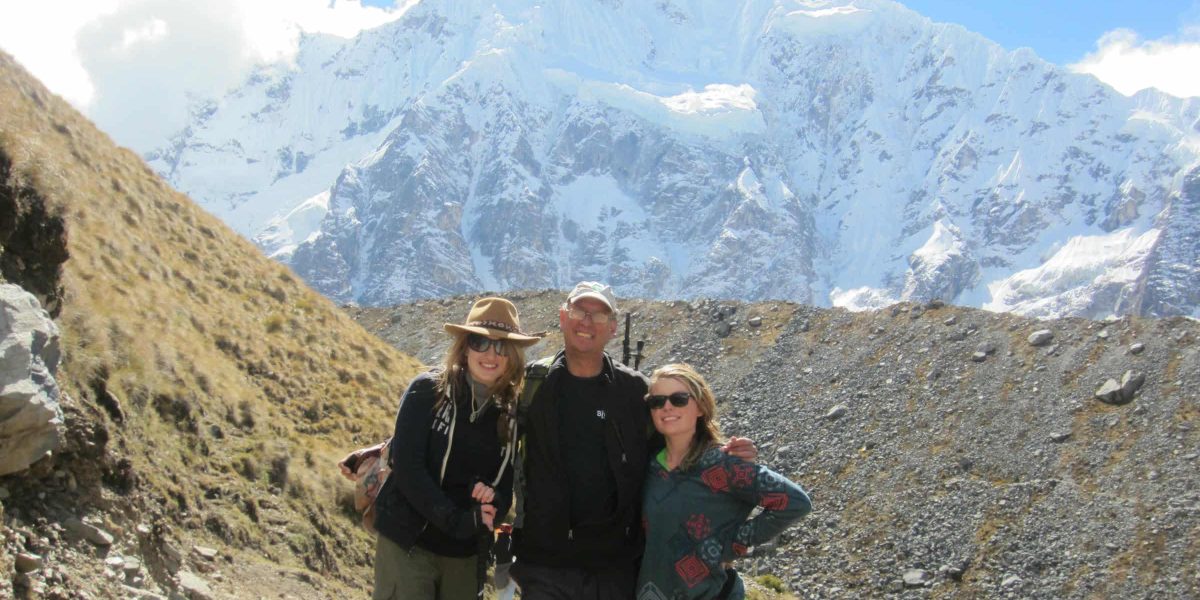
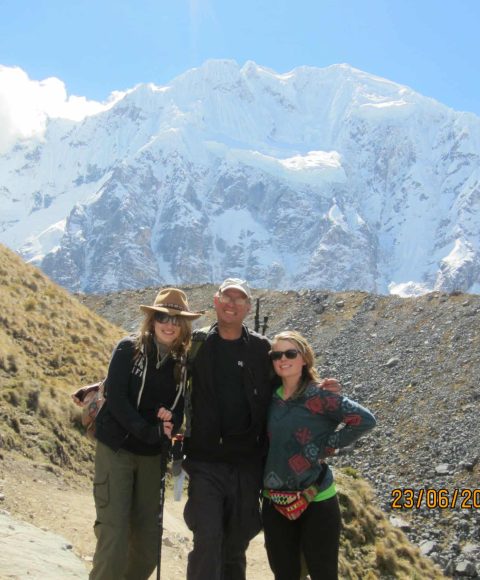

Salkantay Trekking adventures, a spectacular alternative route to Machu Picchu that immerses you in the raw beauty of the Peruvian Andes. This challenging yet incredibly rewarding trek takes you through diverse ecosystems, from high mountain passes dominated by the majestic Salkantay mountain – a towering snow-capped “Apu” or sacred deity – to lush cloud forests and vibrant coffee plantations. It’s an expedition that offers unparalleled natural scenery and a profound connection with the region’s spiritual essence.
Our Salkantay treks are meticulously organized to provide a safe and enriching experience, allowing you to witness glaciers, pristine lakes, and abundant wildlife. You’ll traverse stunning landscapes, camp under star-filled skies, and engage with local communities along the way, culminating in the awe-inspiring sight of Machu Picchu. This trek is ideal for adventurers seeking a robust challenge and an intimate encounter with Peru’s most stunning mountain scenery.
What’s Humantay Lake? Heard about that crazy blue lake near Cusco (which is already high up at 11,152 feet / 3,399
Read moreThe classic Salkantay Trek usually lasts 5 days and 4 nights, culminating in a visit to Machu Picchu on the final day.
The highest point is the Salkantay Pass, at an elevation of approximately 4,630 meters (15,190 feet) above sea level.
The Salkantay Trek is considered challenging. Trekkers should have excellent physical fitness, prior hiking experience, and be comfortable with sustained uphill and downhill sections.
The dry season, from May to October, offers the most stable weather conditions and clearer mountain views, making it the preferred period for this trek.
Given the high altitudes, altitude sickness is a significant concern. Thorough acclimatization in Cusco for at least 2-3 days before starting the trek is highly recommended.
Accommodation varies by tour operator but typically includes a mix of camping in tents, and sometimes basic lodges or glamping domes, especially on the first night.
Most Salkantay treks include muleteers (arrieros) and horses or mules to carry the main camping equipment, food, and your personal duffel bag. You will carry a daypack.
Essential items include sturdy hiking boots, layered clothing (thermals, fleece, down jacket), a waterproof outer shell, sun protection, insect repellent, a sleeping bag, and a headlamp.
Yes, reputable Salkantay treks include all meals prepared by a dedicated cook, designed to be nutritious and energizing for the strenuous activity.
You will experience dramatic shifts in scenery, from glacial peaks and alpine lakes to cloud forests, subtropical valleys, and coffee plantations.
Facilities are generally basic. Tour operators provide toilet tents at campsites, and it’s essential to practice leave-no-trace principles for waste.
No, cellular service and Wi-Fi are largely unavailable along most of the Salkantay Trek, providing an opportunity for a truly disconnected experience.
Reputable operators have experienced guides trained in wilderness first aid and high-altitude emergency protocols, and carry oxygen and emergency communication devices.
While not as technically challenging as some mountaineering, the Salkantay Trek is not recommended for absolute beginners due to its length, high passes, and remote nature.
On the final day, trekkers typically hike to Aguas Calientes and then take a bus up to Machu Picchu for their guided tour.