Short Inca Trail 2 Days to Machu Picchu
¿Quieres recorrer parte del famoso Camino Inca y ver Machu Picchu, pero tienes poco tiempo o no quieres acampar durante
Read more
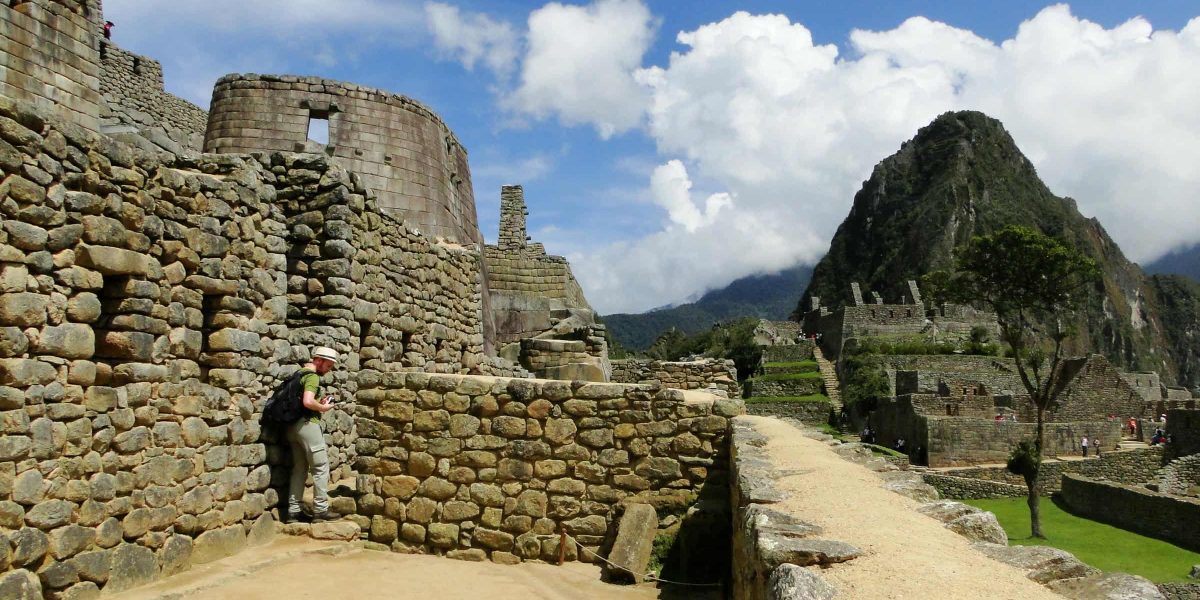


Inca Trail to Machu Picchu expeditions, tracing the ancient footsteps of the Incas through breathtaking Andean landscapes. This legendary trek is more than just a hike; it’s a profound pilgrimage culminating in the awe-inspiring sight of Machu Picchu through the Sun Gate. As you traverse high mountain passes, lush cloud forests, and discover captivating archaeological sites along the way, you’ll connect deeply with the natural beauty and rich history of Peru.
Our expertly guided Inca Trail tours are designed to provide a challenging yet incredibly rewarding experience, meticulously planned for your safety and enjoyment. Witness stunning sunrises over the mountains, camp beneath a blanket of stars, and feel the thrill of accomplishment as you approach the Lost City. This once-in-a-lifetime adventure promises not just incredible views, but a transformative encounter with one of the world’s most cherished historical paths.
¿Quieres recorrer parte del famoso Camino Inca y ver Machu Picchu, pero tienes poco tiempo o no quieres acampar durante
Read moreThinking about hiking the famous Inca Trail to Machu Picchu? This 4-day trek is the classic way to do it. You’ll b
Read moreThe classic Inca Trail trek typically lasts four days and three nights, covering approximately 43 kilometers (26 miles).
Inca Trail permits are highly limited and sell out rapidly. It is crucial to book your permit at least 6 months to a year in advance, especially for peak season dates.
No, it is mandatory to hike the Inca Trail with a licensed and authorized tour operator. Independent trekking is not permitted.
The dry season, from May to October, is generally preferred for trekking due to more stable weather conditions and less rain.
The highest point on the classic Inca Trail is Dead Woman’s Pass (Warmiwañusqa), at an elevation of approximately 4,215 meters (13,828 feet) above sea level.
The Inca Trail is considered a moderate to challenging trek. Participants should have a good level of physical fitness, including regular cardiovascular exercise and some hiking experience.
Essential items include sturdy hiking boots, layered clothing suitable for varying temperatures, a rain jacket, sun protection, insect repellent, a sleeping bag, and a headlamp.
Yes, most Inca Trail tours include porters who carry camping gear, food, and a portion of your personal belongings. You will carry a daypack.
Tour operators typically provide varied and nutritious meals, including breakfasts, lunches, and dinners, prepared by cooks who accompany the group. Dietary restrictions can usually be accommodated.
Basic toilet facilities are available at designated campsites and some rest stops along the trail. Conditions can vary, so carrying hand sanitizer is advisable.
Reputable tour operators have emergency protocols, including trained guides with first-aid knowledge, and systems for evacuation if necessary. Altitude sickness is a common concern, and guides are prepared to assist.
No, there is generally no cellular service or Wi-Fi along most of the Inca Trail, allowing for a truly disconnected and immersive experience.
Group sizes vary, but most tour operators limit groups to a maximum of 16 people, often smaller, to ensure a more personalized experience and minimize environmental impact.
You can usually rent sleeping bags and trekking poles from your tour operator. If using your own poles, they must have rubber tips to protect the trail.
Along the Inca Trail, you will encounter various Inca ruins such as Llactapata, Runkurakay, Sayacmarca, Phuyupatamarca, and Wiñay Wayna, each offering unique insights into Inca civilization.